Is Edinburgh’s Christmas Market Worth It?
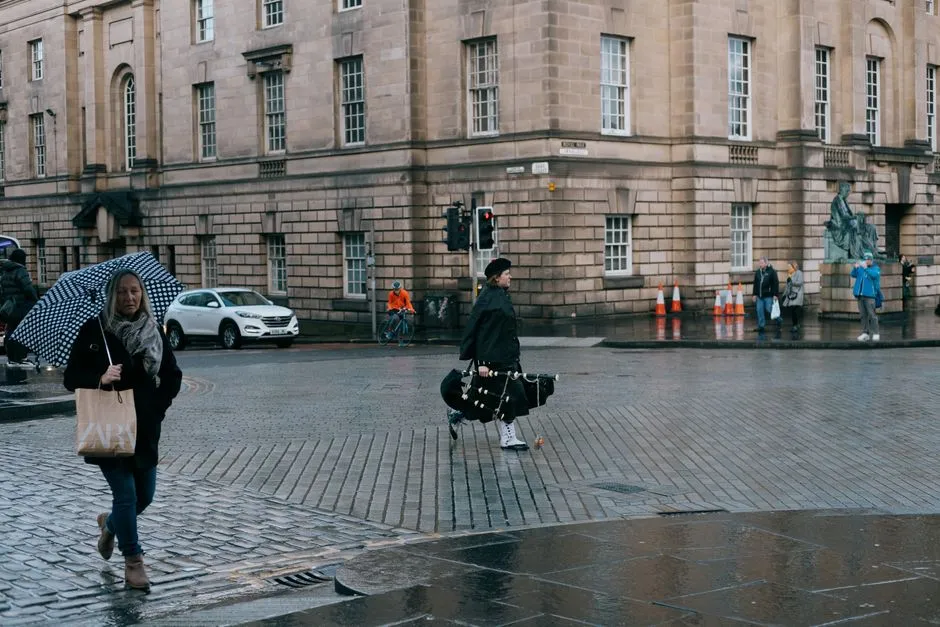
- Is Edinburgh’s Christmas market worth your evening?
- What are you actually comparing?
- What does the official information establish about cost?
- How can two people make a useful spending decision?
- Can you avoid the crowds by picking the right time?
- What is an alternative if the market is not your kind of outing?
- What should you decide before committing?
- Sources
Is Edinburgh’s Christmas market worth your evening?
Edinburgh’s Christmas market is worth considering if browsing stalls is part of the pleasure, rather than merely a route to a paid ride. The organiser currently lists free entry to East and West Princes Street Gardens, but that does not make purchases or attractions free. Decide what you want, check your season’s programme and total cost, and keep an alternative. This is a desk-researched comparison, not a report of a visit.
Our judgement: choose a browse-first visit if you would enjoy the market without buying an attraction ticket. Choose an attraction-led visit only when that particular activity justifies its confirmed price and timing. If your priority is a seated conversation or uninterrupted time with art, organise that first. A famous seasonal event need not be the centre of your only evening.
What are you actually comparing?
The organiser’s visitor overview places the traditional markets in East Princes Street Gardens and fairground rides in West Princes Street Gardens. It describes a wider festival spanning those gardens and George Street. Treat “the Christmas market” as a starting label, not one purchase that includes everything.
Separate three possible outings before comparing their value:
| Your preferred outing | What would make it worthwhile? | What could make it a poor fit? |
|---|---|---|
| Browse first | Looking through stalls is enjoyable in itself; spending is optional | You would feel disappointed without a particular purchase |
| One paid attraction | Everyone actually wants the named activity | The group is agreeing mainly because it is already nearby |
| Another city plan | Art, a meal or conversation matters more than the market setting | You would spend the alternative wishing you had seen the market |
These are editorial decision criteria, not visitor-survey findings. A group can also split its preferences without declaring a winner: discuss them before committing money, and agree a practical meeting arrangement.
What does the official information establish about cost?
The festival FAQ currently says garden entry is free, selected attractions can be booked ahead, and sites take card payments rather than cash. It also ties a timed ticket to its selected date and session.
Checked on 8 September 2026, that FAQ still linked to a 2025 participating-attractions list. Our retrieval of the official What’s On page did not supply dated attraction listings or prices. This is not proof that no tickets exist elsewhere in the booking system. It means we cannot responsibly quote a verified upcoming-season ride total here.
Before paying, obtain the current official listing for the exact attraction, party and session. Record the full checkout amount, what it includes, and the applicable cancellation or change terms. Do not carry a previous season’s discount or price into a new comparison.
Free admission makes browsing a distinct option. It does not establish that the food, gifts or rides are inexpensive. Assess each intended purchase against its actual displayed price, rather than treating the whole evening as either “free” or “expensive”.
How can two people make a useful spending decision?
Here is an original, fictional allowance exercise. These figures are chosen spending limits, not market prices, meal quotations or transport fares.
Two adults decide they have £60 available between them. They provisionally reserve £12 for their return journey and £24 for food. The remaining optional allowance is:
£60 − £12 − £24 = £24.
They must replace both provisional reservations with verified costs before treating that £24 as spendable. If the actual return arrangement costs more, the optional amount falls. If suitable food exceeds the allowance, they revise the plan; this example does not promise that £24 buys two meals.
Next, they write the actual group price of their chosen attraction beside the optional amount. Gifts come from the same remainder, not a second imaginary budget. A purchase that uses it all leaves nothing in that category for another purchase.
The useful result is not “£60 is enough”. It is a visible choice: browse without that attraction, select a different affordable plan, or agree a higher total only if it genuinely fits their finances. Keep essential return arrangements funded.
Can you avoid the crowds by picking the right time?
There is no quiet-hour guarantee in the evidence reviewed. The organiser’s access page describes weekdays as off-peak in its entrance guidance, but warns that peak periods can involve waiting or crowds that impede access. Ask the team about the intended session; do not turn “weekday” into a promise of an empty site.
The same guidance notes temporary ramps can be steeper than 1:12 and that individual ride operators determine suitability on the day. Contact the access team about specific requirements before booking, and follow staff directions on site.
For preference planning, agree what you are willing to skip. Someone who wants one particular attraction may accept a wait that a browsing companion would not. This is not a recommendation to remain in uncomfortable or unsafe conditions. Follow official restrictions and staff instructions; a spending decision does not override safety.
Check the forecast, event updates and travel-provider information before leaving. The Met Office warning guide explains that warnings combine likely impacts with their likelihood. Read the location, period and advice, not just the colour. Follow closures and official safety guidance. The festival FAQ directs visitors to its updates for weather-related changes.
What is an alternative if the market is not your kind of outing?
If you can change the time of your visit, consider an art-first afternoon. The National at the Mound currently lists daily opening from 10am to 5pm, with free admission and charges for some exhibitions. Check the particular date and access information before travelling.
That is a daytime alternative, not a late-evening fallback. Nor does an indoor gallery guarantee quiet. It offers a different focus: choosing a collection or exhibition rather than making stalls and attractions the purpose of the outing.
For an evening-only visitor, our editorial alternative is to choose a meal venue that meets the group’s needs and confirm its opening, availability and full menu costs directly. We have not assessed or endorsed a restaurant here. A reserved table may suit a conversation-first plan; verify the arrangements instead of assuming a seasonal setting includes seating or availability.
Our Edinburgh days collection provides the wider city-planning context. If this decision sits within a longer trip, the beyond-the-city collection is a separate planning starting point, not an instruction to add an excursion to the same evening.
What should you decide before committing?
Finish with four short statements: “We mainly want…”, “Our confirmed total is…”, “The unresolved access or booking question is…”, and “We will choose the alternative if…”.
If the first answer is simply browsing, you need not justify the outing by adding purchases. If it names one attraction, make that attraction’s current information the deciding evidence. If the answers differ across the group, settle that difference before booking. Worthwhile is a fit between an actual plan and the people taking it, not a verdict attached permanently to a destination.
Sources
- Edinburgh’s Christmas: visitor overview, FAQ, programme and access information.
- National Galleries of Scotland: National visitor information.
- Met Office: weather warnings guide.
Official pages checked 8 September 2026; confirm seasonal arrangements for your intended date.