Edinburgh in Winter: Plan Around the Light
- Yes, Edinburgh is worth visiting in winter
- What winter actually means in Edinburgh
- Build the day in three blocks
- A first winter day: Old Town in the light
- A second winter day: New Town and a gallery
- Use the low light instead of fighting it
- Keep an indoor swap ready
- Treat Christmas and Hogmanay as separate trips
- Pack for damp changes, not an expedition photograph
- Choose where to stay by the winter route
- Book the bones and leave the joints loose
- A resilient winter itinerary template
- Who will enjoy Edinburgh in winter?
Yes, Edinburgh is worth visiting in winter
Edinburgh is worth a winter trip if you plan around roughly seven hours of midwinter daylight, keep one indoor alternative ready, and treat Christmas or Hogmanay events as optional additions rather than the structure holding the whole visit up. Use the bright middle of the day for viewpoints and neighbourhood walks. Give the long evening to galleries, museums, food, theatre, or a pub you chose before your feet became wet.
Winter does not make Edinburgh smaller. It changes the order in which the city works. The skyline arrives late, disappears early, and looks particularly handsome in low light. The stone streets can be wet, the wind can make a modest temperature feel more committed, and opening hours may narrow around public holidays. A resilient plan is better than a crowded one.
What winter actually means in Edinburgh
For the Gogarbank station west of central Edinburgh, the Met Office's 1991–2020 averages put December at a 7.02°C average daily maximum, a 1.40°C average minimum, 74.87 mm of rain, and 13.08 days with at least 1 mm of rain. January is similar: a 6.90°C maximum, 1.52°C minimum, 73.01 mm of rain, and 13.30 days meeting that rainfall threshold.
Those are climate averages, not a forecast for your weekend. Snow is possible, but a city trip should not be planned around receiving it on cue. Damp pavement, wind, brief rain, and changing cloud are more useful default assumptions. Check the Met Office forecast and warnings close to travel, then adjust exposed walks rather than attempting to negotiate with the sky.
The short day is the bigger planning constraint. On 21 December 2026, Edinburgh's calculated sunrise is 8:42 a.m. and sunset is 3:39 p.m., a day length of 6 hours 57 minutes. Exact times shift by date and year, so use a current Edinburgh sun table for the days you are travelling.
The useful daylight window feels shorter than sunrise-to-sunset arithmetic. Cloud, buildings, a slow breakfast, and travel between stops all take a share. Put the one outdoor thing you would regret missing between about 9:30 a.m. and 2:30 p.m. in deep winter. Anything else outdoors is a bonus.
Build the day in three blocks
The simplest winter plan has one outdoor anchor, one indoor anchor, and one evening with a booked or researched destination.
| Block | What belongs here | Why it works |
|---|---|---|
| Morning to early afternoon | Old Town closes, New Town streets, Water of Leith sections, a cemetery, a market, or a city viewpoint | This protects the clearest daylight for navigation, architecture, and photographs |
| Mid-afternoon | Museum, gallery, long lunch, bookshop, café, or covered attraction | The light is fading, and you can warm up without declaring the day over |
| Evening | Dinner, theatre, live music, cinema, a pub, or a deliberate night walk on central lit streets | Winter gives you a long evening; use it rather than trying to stretch daylight |
Do not place three outdoor anchors in the same day. One late start or hard shower will collapse the sequence. Choose the priority and give it the best light.
Our two-day Edinburgh plan groups visits by neighbourhood. That approach matters even more in winter because backtracking spends daylight and warmth without adding much city.
A first winter day: Old Town in the light
Begin near the top or middle of the Old Town after daylight arrives. Walk one section of the Royal Mile rather than trying to consume it as a checklist. Turn into closes, look across the changing levels, and choose a single viewpoint that fits the weather and your mobility.
Book any timed historic attraction for late morning. Check its own website on the day before travelling; winter and holiday hours can differ, and exposed areas may close in bad weather. Leave enough space around the booking to walk without checking the minute hand at every corner.
Move indoors by mid-afternoon. The National Museum of Scotland on Chambers Street is a practical central anchor with broad collections under one roof. At the time this guide was checked, its official visitor page listed daily 10 a.m.–5 p.m. opening, free general entry, closure on 25 December, and reduced hours on 26 December and 1 January. Treat those details as dated, not permanent; recheck before relying on them.
Finish nearby rather than crossing the city simply because a restaurant appeared in a list. A winter evening becomes much better when dinner is within a short walk of the last indoor stop and the route back is straightforward.
A second winter day: New Town and a gallery
Use the morning for the New Town's wider streets, squares, and views back toward the Old Town. If conditions are calm and paths are clear, extend toward Stockbridge or a manageable section of the Water of Leith. If the ground is icy or a warning is in force, stay on treated central routes and move the indoor stop earlier.
The National Galleries of Scotland provide several possible indoor anchors, but buildings and exhibitions have different locations, tickets, and temporary changes. The official visit page showed the central Scottish galleries as a free experience when checked in September 2026 and listed current exhibitions with their opening information. Use that page to choose a building rather than assuming “the gallery” is one address.
After dark, choose an evening by appetite: performance, cinema, live music, dinner, or a warm pub with no further ambition. Check event end times against your route home. The most successful winter itinerary often contains one evening that is simply a meal and a conversation.
Use the low light instead of fighting it
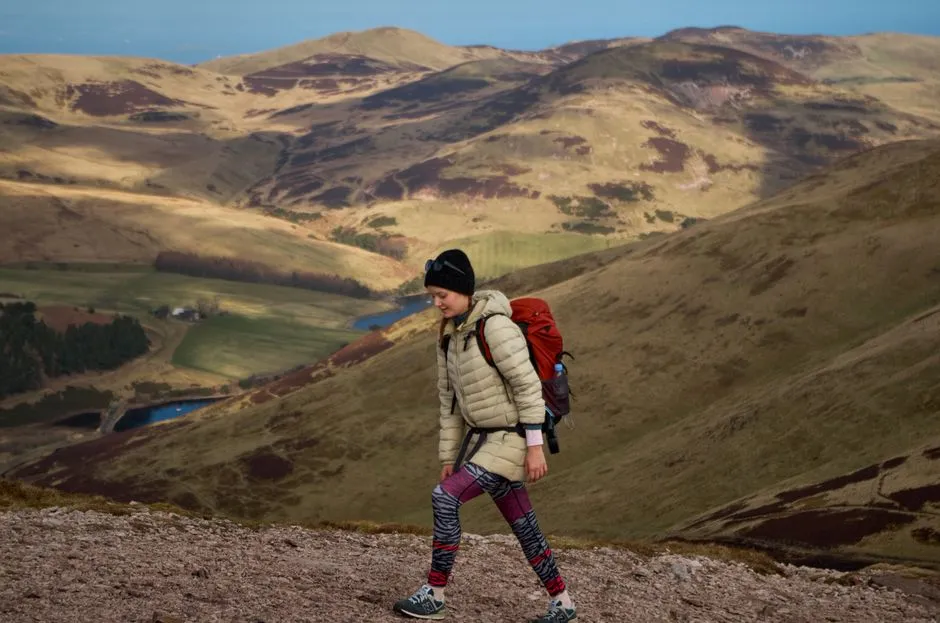
Edinburgh's winter light comes in at a low angle, giving stonework, rooflines, and the folds of the city more definition than a flat midday glare. The useful lesson is not to chase every famous view. It is to be in one promising place when the light is there.
Choose the viewpoint the night before from the next day's forecast. A central overlook with several exit routes is more resilient than a long exposed climb. Arrive well before sunset, stay on open paths, and leave while you can still see the surface underfoot. Wind, ice, snow, darkness, closures, and unsuitable footwear are reasons to abandon a hill plan. Follow signs and official access advice.
Rain can make streets reflective and the early darkness can look theatrical, but wet stone and setted streets can also be slippery. Stop before taking photographs. Do not step into a carriageway, cycle lane, stair, or unguarded edge for a better frame.
Keep an indoor swap ready
An indoor backup should be specific enough to use. “Find a museum” is not a plan if the group is standing in rain with poor signal and four different expectations.
Before leaving the accommodation, save:
- the official page and address of one nearby museum or gallery;
- current opening and last-entry time;
- whether booking is required;
- accessibility information for the entrance you plan to use;
- a café, lunch, or bookshop option in the same area;
- the route back by foot or public transport.
Our full rainy-day Edinburgh plan explains how to swap blocks without crossing the city repeatedly. In winter, the same structure protects daylight as well as dry socks.
If the weather improves, reverse the order: go outside for the clear interval and return to the indoor anchor afterward. Flexible tickets and geographically close choices make that possible.
Treat Christmas and Hogmanay as separate trips
The festive period changes crowd levels, prices, transport, opening hours, and the need to book. Edinburgh's official visitor site highlights Christmas programming and Hogmanay as major winter set-pieces, but the programme, footprint, ticketing, and access arrangements can change each year. Check the current winter listings before paying for travel around one event.
If the event is the reason for the trip, buy only through the official organiser or an authorised seller, read entry and refund terms, and build recovery time around it. Outdoor standing, queues, road closures, and late-night transport deserve as much thought as the headline performance.
If the event is not the reason for the trip, keep it as a bonus. Edinburgh still offers winter streets, museums, galleries, neighbourhoods, food, and performances outside a fenced event footprint. A city should not become a disappointment because one market was busy.
Christmas Day, Boxing Day, New Year's Day, and the days around them can have special transport and venue arrangements. Confirm every essential journey and booking directly. Do not infer a holiday timetable from an ordinary Sunday.
Pack for damp changes, not an expedition photograph
For a city visit, useful clothing is modular: a rain-resistant outer layer, warm middle layer, comfortable base, hat, gloves, and footwear with grip that has already been worn. Carry a small dry bag or internal waterproof pouch for phone, documents, and spare socks.
The point is to move between outside and heated interiors without carrying an entire wardrobe on your back. Several adjustable layers usually work better than one enormous coat indoors. Our Scotland packing list gives the full system for changing days.
Edinburgh is hilly and many central surfaces are uneven. New shoes, smooth soles, and a tightly timed hill-to-dinner dash are an avoidable combination. If you use mobility equipment, check gradients, surfaces, lifts, entrances, and temporary closures with each venue and the relevant transport operator before travel.
Choose where to stay by the winter route
The cheapest room at the edge of the map may spend its saving in late-night fares and waiting. Compare total journey rather than distance alone:
- route from the arrival station or airport;
- evening connection after your planned activity;
- hill and stair demands with luggage;
- how many changes the route requires;
- nearby food when weather shortens the day;
- cancellation terms if winter travel is disrupted.
Central does not mean one exact neighbourhood. Old Town, New Town, West End, Haymarket, and nearby residential areas create different trade-offs. Plot the accommodation against the two or three places you will actually visit.
Keep the first evening local. Arrival delays, early darkness, and luggage make it a poor time for the most complicated reservation of the trip.
Book the bones and leave the joints loose
Book what would genuinely spoil the trip if unavailable: accommodation, a must-see timed attraction, a performance, and a special meal. Leave ordinary meals, optional museums, and secondary walks flexible where capacity allows.
A winter day needs slack. Allow time to remove wet layers, queue, find the correct entrance, and warm up. Two substantial stops plus one evening plan can fill a day without feeling thin.
Save confirmations and essential addresses offline. Check rail, bus, attraction, and event updates with the operator, especially during severe weather and holiday periods. For a trip beyond the city, our train day-trip guide compares North Berwick, Linlithgow, and Stirling by mood; in winter, verify daylight and the return timetable before choosing.
A resilient winter itinerary template
Use this outline for each full day:
The night before: check weather warnings, forecast, sunrise and sunset, attraction status, and transport updates. Select one outdoor priority and its indoor swap.
After breakfast: travel directly to the outdoor area. If a timed attraction is involved, make it the late-morning anchor.
Around noon: eat near the day's main neighbourhood. Recheck conditions rather than following a plan written in another weather system.
Early afternoon: finish the outdoor loop or move to the indoor anchor. Do not begin a remote or exposed walk close to dusk.
After dark: stay indoors or use central lit routes between specific destinations. Confirm the journey back before the last venue closes.
This pattern gives winter its proper shape. Daylight is a scarce booking slot; darkness is not dead time.
Who will enjoy Edinburgh in winter?
Winter suits travellers who enjoy architecture, museums, galleries, long meals, performances, and atmospheric streets; who prefer fewer daylight commitments; and who can change plans without feeling cheated. It can also suit repeat visitors willing to spend one day in a single area.
Choose another season if your priority is long rural walks, late-evening daylight, extensive gardens, or a tightly packed outdoor checklist. A winter city break and a winter Highlands trip also require different planning. Edinburgh's central cultural visit should not be used as evidence that remote roads and upland routes will be equally simple.
The honest promise is modest: Edinburgh in winter gives you a short, handsome day and a long evening. Put one good thing in each, keep an indoor door open, and the season stops feeling like a limitation.
This guide provides general travel planning. Check current weather warnings, transport, venue, event, access, and public-safety information with official providers before travel.
An independent publication. Not affiliated with any prior owner of this domain.