Two Days in Edinburgh: A Neighbourhood-First Plan
- Give each day one spine and let the side streets do their work
- Before the weekend: make four decisions
- Day 1 morning: Old Town by layers, not checklist
- Day 1 lunch: leave the busiest line
- Day 1 afternoon: Chambers Street and the Grassmarket
- Day 1 evening: choose atmosphere over mileage
- Day 2 morning: New Town and Stockbridge
- Day 2 midday: make the river route optional
- Day 2 afternoon: finish in Leith—or stay closer
- Day 2 evening: keep the departure visible
- A compact schedule
- What to skip when time tightens
- The neighbourhood-first rule
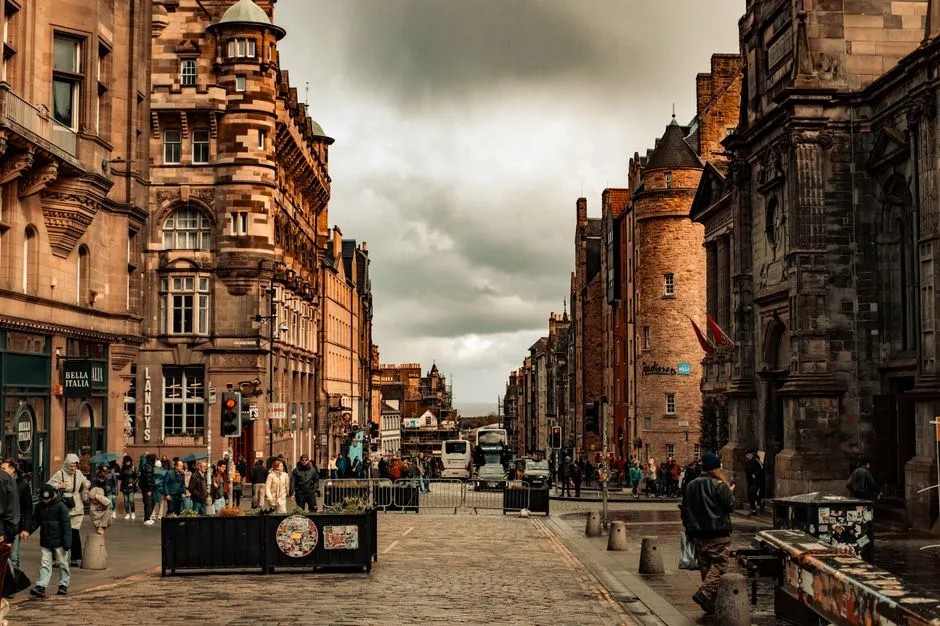
Give each day one spine and let the side streets do their work
For two days in Edinburgh, spend the first exploring the Old Town from the Royal Mile toward Chambers Street and the Grassmarket, then use the second for New Town, Stockbridge, and a section of the Water of Leith toward Leith. Cluster each day geographically, book no more than one timed attraction per half-day, and keep an indoor alternative. Edinburgh is compact, but hills, closes, cobbles, and curiosity make map distances optimistic.
This plan is intentionally modular. Check current opening hours, ticket rules, access information, public transport, and weather before setting out. During major festivals or public events, accommodation, pavements, and venues can be much busier, so reserve essentials early and leave more time between them.
Before the weekend: make four decisions
Choose your two anchors
Pick at most one must-do place for each day. That could be a castle visit, museum, gallery, tour, performance, or long meal. Everything else becomes a nearby option rather than an appointment.
Check the slope, not just the distance
Old Town is steep and many historic surfaces are uneven. A route that looks short may include stairs or a sharp climb. Use official accessibility information and street-level mapping if gradients, seating, toilets, or step-free routes matter.
Pack for changing weather
Bring a waterproof outer layer and comfortable, grippy footwear. The complete Scotland packing list explains a layering system without asking your suitcase to become an outdoor shop.
Save a wet-weather swap
Choose one indoor place near each outdoor cluster. If the forecast turns, you can reverse the order instead of crossing the city in pursuit of a dry doorway. The rainy-day Edinburgh plan offers a full alternative.
Day 1 morning: Old Town by layers, not checklist
Begin around the upper Old Town or Waverley side, depending on your accommodation and anchor. The Royal Mile runs through the historic core, but do not treat it as a conveyor belt. Look along the closes and side streets, note changes in height, and choose only routes that are public and comfortable to enter.
If Edinburgh Castle is your anchor, book through the current official site and allow enough time for security, queues, and the visit itself. If not, the esplanade area and surrounding streets still help orient the city, subject to closures and event setup.
Walk downhill in sections rather than trying to consume the whole Royal Mile at one speed. Useful pauses include architectural details, courtyards open to the public, church exteriors, viewpoints, and the simple business of watching several centuries argue across one skyline.
Avoid repeating an attractive story from a tour, plaque, or social video as fact unless its source is clear. Edinburgh has accumulated legends with great efficiency. Enjoy them as stories; let museums and reputable histories handle firmer claims.
Day 1 lunch: leave the busiest line
When hunger arrives, move one or two streets away from the densest visitor flow and inspect menus before committing. Do not spend half the afternoon waiting for one famous table unless that table is the reason you came.
Book dietary requirements where appropriate and verify allergen information directly with the business. Venue names and hours change faster than stone façades, so this plan does not turn one current café into an eternal civic institution.
Allow about an hour for lunch if you want the afternoon to remain useful. Allow longer if lunch is your anchor. The point is to decide, not accidentally discover at 3 p.m. that every earlier queue was a course.
Day 1 afternoon: Chambers Street and the Grassmarket
Head toward Chambers Street for the National Museum of Scotland if collections, design, natural history, or Scottish history fit your mood. The museum’s official visitor page states that general admission is free, with charges for some special exhibitions; confirm opening and access details there before visiting.
Do not try to see every gallery. Choose one or two themes, take a proper pause, and save something for a return. Large museums can turn a rainy rescue into an indoor endurance event with remarkably good labels.
From this area, the Grassmarket and streets below the castle form a natural second cluster. Explore at street level, look back toward the castle, and decide whether your feet want more old stone or a chair. Some connecting routes are steep or stepped; choose an accessible alternative when needed.
If you prefer a quieter afternoon, remain around the university and Southside streets instead of looping west. The official Edinburgh neighbourhood guide is useful for understanding how Old Town, Southside, Tollcross, Stockbridge, Leith, and other areas relate.
Day 1 evening: choose atmosphere over mileage
Eat near the area where you finish or near your accommodation. A good evening does not require returning across the centre because a list called one street “unmissable.”
For entertainment, check current theatre, live music, cinema, storytelling, or event listings. Book ticketed performances in advance and confirm finish times against the journey home. If you prefer no booking, take a short evening walk on well-lit public streets, then stop while the day still feels generous.
Alcohol is optional, not an entry requirement to Scottish culture. If you drink, plan a safe journey and remember that a tasting plus a pub plus “one for the road” is arithmetic even when nobody writes it down.
Day 2 morning: New Town and Stockbridge
Begin with New Town’s broad streets and formal architecture, then move toward Stockbridge. This day changes the visual rhythm after Old Town’s compressed lanes and vertical drama.
Choose a route through streets and public gardens that are open on the day. Notice planned vistas, building lines, shopfronts, and the way the ground falls toward the Water of Leith. Browse independent shops or galleries if they interest you, but do not make retail an obligation disguised as local authenticity.
Stockbridge works well as a late-morning pause because it combines residential streets, food options, shops, and access toward the river walkway. Markets and businesses operate on changing schedules, so do not design the whole morning around one stop until you have confirmed it will be open when you plan to arrive.
If mobility or weather makes the longer route unsuitable, stay within New Town and choose an indoor gallery or café. The itinerary’s job is to bend before you do.
Day 2 midday: make the river route optional
The Water of Leith Walkway links several neighbourhoods, but conditions and closures can affect sections. Check current local notices before walking and choose an entry and exit suited to your energy.
A short section is enough. The appeal is contrast: water, greenery, paths, and glimpses of the city from below street level. Before joining it, choose both an entry and an exit on your map, plus a street-level alternative between them. That turns the walk into a deliberate segment rather than a vague promise to follow the water until everybody needs a chair.
Wear footwear appropriate to wet surfaces, keep away from unsafe edges, and do not treat darkness or flooding as an atmospheric enhancement.
If the path is unsuitable, use street-level public transport or a neighbourhood walk instead. Save offline directions because signal can be less helpful on lower paths and between high buildings.
Day 2 afternoon: finish in Leith—or stay closer
Continue toward Leith if you want a longer walking day and another distinct district. Leith’s port history and present-day food, culture, and residential life deserve more than a quick pin, so choose one small area and spend time there.
Alternatively, return toward the centre and use the afternoon for the anchor you skipped: a gallery, a second museum section, a bookshop, or an unhurried meal. A two-day plan should contain an escape valve.
For Leith or any area beyond your walking range, check current bus or tram routes through official journey planners. Do not assume the route you used on arrival remains the best after service changes or roadworks.
Day 2 evening: keep the departure visible
If leaving that night, bring luggage-storage and station plans into the itinerary before dinner. Confirm the departure station, platform information, and time using the operator’s live source. Edinburgh Waverley and Haymarket are different stations; make sure your ticket and route agree.
If staying another night, choose a relaxed final dinner near your accommodation. Review what you enjoyed rather than squeezing in a ceremonial last attraction. Often the best final hour is the one that lets the city become a place again instead of a deadline.
A compact schedule
| Time | Day 1: Old Town | Day 2: New Town to Leith |
|---|---|---|
| Morning | Royal Mile area and one anchor | New Town streets and Stockbridge |
| Lunch | Old Town, Southside, or Grassmarket area | Stockbridge or nearby |
| Afternoon | National Museum area and one nearby cluster | Short Water of Leith section, then Leith or centre |
| Evening | Food and one local event | Flexible dinner and departure plan |
The table is sequence, not stopwatch. Add travel, rest, and queue time around the single fixed booking.
What to skip when time tightens
Skip the farthest unbooked stop first. Then skip anything chosen mostly because it appears on every list. Preserve the anchor, a meal, and one period of unscheduled walking.
Use a three-tier list before the trip: essential, welcome, and only-if-nearby. When the day slows down, remove the third tier without debate. If it slows again, shorten the welcome item instead of stealing time from lunch, rest, or the one place you came specifically to see. Your itinerary is a tool, not a disappointed supervisor.
Do not add an out-of-city trip to a two-day first visit unless it matters more to you than the city itself. If you have a third day, compare three train day trips from Edinburgh by coast, lochside history, or castle-city mood.
Likewise, do not climb a hill simply because the weather briefly reveals it. Outdoor routes require conditions, daylight, footwear, and ability appropriate to the route. Use current local guidance and turn back when necessary. The hill will still be there; it has survived worse than your scheduling conflict.
The neighbourhood-first rule
At each decision point, ask: “What good option is already near me?” That question reduces transport, keeps the day coherent, and creates room for discovery. It also protects you from spending a weekend seeing Edinburgh through the windows of vehicles headed to another supposedly essential stop.
Two days cannot finish the city. They can give you two strong threads: the layered historic core, then a wider neighbourhood route toward water and port. Leave with one place you missed on purpose. That is how a weekend becomes the beginning of a return rather than an exhausted claim of completion.