Scotland Packing List: Layers for Changeable Days
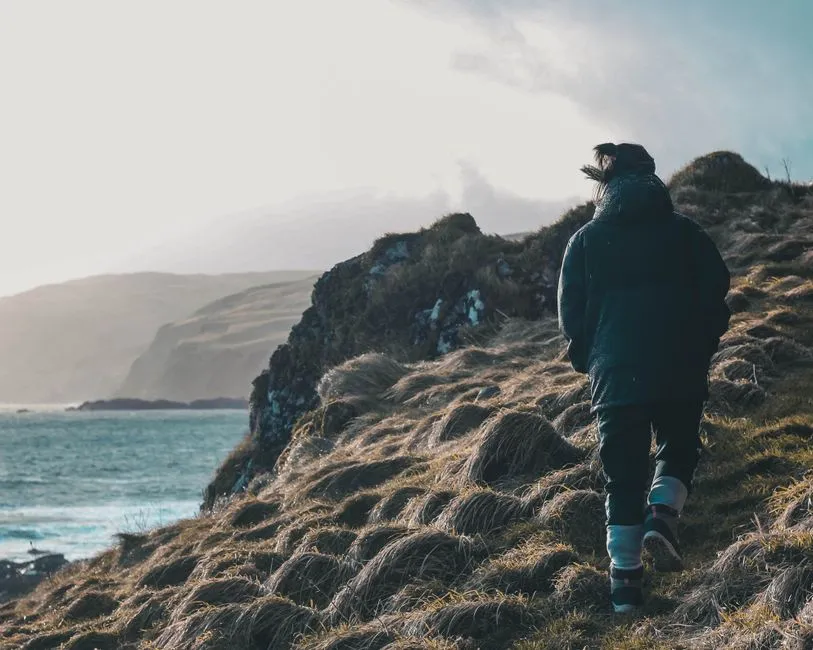
- Pack a small system for several kinds of weather
- The core list for most trips
- Your day-bag kit
- Spring: prepare for contrasts
- Summer: light layers still matter
- Autumn: prioritise dry changes
- Winter: city winter and mountain winter are different lists
- Edinburgh city-break extras
- Train day-trip extras
- Toiletries, health, and documents
- What not to pack
- A seven-day city-and-day-trip capsule
- The night-before check
Pack a small system for several kinds of weather
A practical Scotland packing list starts with a waterproof hooded shell, breathable mid-layer, comfortable base layers, grippy walking shoes, and a small day bag with internal rain protection. Add warmer or lighter pieces for the season, but keep the same system: layers you can remove, one outer layer that handles wind and rain, and dry essentials protected inside the bag. Check the current forecast for every region and activity before leaving.
This list suits city breaks, gentle low-level walks, train trips, and ordinary sightseeing. Remote hills, winter mountains, water activities, cycling, and other technical outings require activity-specific equipment, skills, route planning, and current safety guidance. A good city raincoat does not receive an automatic promotion to mountain-rescue strategy.
The core list for most trips
Outer layer
- Hooded waterproof jacket in good condition
- Optional waterproof overtrousers for longer outdoor days
- Compact umbrella for light rain and low wind, if you like one
“Water-resistant” and “waterproof” are not interchangeable. Check the manufacturer’s specification, seams, zip protection, and garment condition. A jacket can lose performance through wear or poor care, so test it before travelling rather than conducting the first experiment outside a station.
A useful hood adjusts around the face and moves with your head. It also leaves both hands free on steps and crowded pavements.
Mid-layers
- Light fleece, wool knit, or other breathable insulating layer
- Warmer second mid-layer in colder conditions
- Optional lightweight insulated jacket that fits under the shell
Two thinner layers are often more adaptable than one heroic jumper. Indoors, public transport, wind, sunshine, and shade can each make a different request within the same afternoon.
Base clothing
- Comfortable tops that layer without bunching
- Trousers or other bottoms suited to walking and quick drying
- Underwear and socks for the trip length, plus one spare pair
- Sleepwear
- One relaxed evening outfit if your plans need it
Avoid relying entirely on heavy cotton clothing for long wet outdoor days because it can remain damp and uncomfortable. For city use, ordinary clothing is fine when protected and changed as needed. Pack for what you will actually do, not for a sudden casting call as a Highland expedition leader.
Footwear
- Broken-in walking shoes or boots with useful grip
- A second pair if the trip is long or the first may become soaked
- Footwear appropriate to any booked formal activity
Edinburgh includes hills, steps, cobbles, and uneven historic surfaces. Rural paths add mud, rock, roots, and water. New boots can produce blisters before they produce memories, so wear them in advance.
Waterproof footwear helps only if it fits, is maintained, and suits the conditions. Water can still enter from the top, and wet surfaces still require traction and judgment.
Your day-bag kit
Keep these together:
- Refillable water bottle
- Small snack
- Phone and charging cable
- Compact power bank compliant with your carrier’s rules
- Offline maps or saved journey details
- Tissues and hand sanitiser
- Any required medication
- Sunglasses and season-appropriate sun protection
- Spare socks in a sealed bag
- Small cloth for wet glasses or screens
- Reusable bag for damp items
- Emergency contact and accommodation details
Use a rain cover plus internal waterproof pouches, or line the bag appropriately. Covers can lift in strong wind and may not protect the side against your back. The important documents and electronics deserve their own dry layer.
Carry only what you can comfortably wear for hours. A day bag should not become a travelling cupboard because every forecast icon made a persuasive speech.
Spring: prepare for contrasts
Spring can bring cool air, rain, wind, and brighter spells. Pack the core waterproof shell, one warm mid-layer, lighter base tops, and both a warm and lighter accessory option.
Add:
- Light gloves
- A warm hat
- Sunglasses
- A second mid-layer for early spring or northern areas
Check daylight for the exact dates and latitude. Conditions in Edinburgh do not describe the Highlands or islands automatically, and a sunny morning in one place does not guarantee the destination forecast.
Summer: light layers still matter
Pack lighter clothing, but retain the waterproof and a mid-layer. Even when daytime conditions are mild, wind, rain, evening temperature, shade, and coastal exposure can change comfort.
Add:
- Lightweight long-sleeved layer
- Sun protection
- Insect repellent appropriate to your needs and destination
- Sleep mask if early light affects you
For countryside and some coastal or Highland destinations, biting midges can be a concern in warmer months. Check current local advice and conditions; their abundance varies with place, weather, and time. Repellent and coverage may be useful.
Festival visitors should plan for crowds, long standing periods, venue bag rules, and limited storage. Comfortable shoes and a small compliant bag will serve better than an outfit requiring negotiations with every staircase.
Autumn: prioritise dry changes
Autumn asks for the core system plus warmer layers as the season advances. Leaves and rain can make surfaces slippery, while daylight shortens.
Add:
- Warm hat and gloves
- Extra socks
- Compact insulated layer
- Reflective detail or a small light where appropriate
Do not use a phone torch as the sole plan for an unlit rural route. Schedule outdoor walks for available daylight and carry equipment appropriate to the route. Turn back before the margin disappears.
Autumn colours are lovely. So is arriving with dry feet and enough battery to find the train platform.
Winter: city winter and mountain winter are different lists
For a Scottish city in winter, add a warm insulating layer, hat, gloves, scarf, warmer socks, and footwear with traction. Keep the waterproof shell large enough to fit over insulation.
For rural driving or travel, check current road and public-transport conditions and carry reasonable supplies for delays. Do not leave medication or essential warm clothing inaccessible in checked baggage or a distant boot when you may need it.
Winter mountains require specialist clothing, equipment, navigation, competence, and current avalanche and mountain-weather information. This article does not provide that kit list. Seek reputable training and official mountain-safety sources for the actual route.
If snow or ice affects city pavements, shorten steps, use rails, and choose treated or accessible routes where available. Fashion may recover from sensible footwear. Wrists are more argumentative.
Edinburgh city-break extras
Add:
- A compact cross-body or zipped day bag
- One smarter layer if booked venues require it
- Earplugs for central accommodation during busy periods
- A portable seat pad only if useful and permitted
- A paper or offline copy of accommodation details
The two-day Edinburgh itinerary involves substantial walking even though stops are clustered. For a wet forecast, the rainy-day city plan reduces exposed travel but still benefits from a real waterproof.
Check luggage storage, venue bag size, and accommodation access before arrival. Historic buildings may involve stairs or limited lift access; confirm directly when mobility or heavy bags make that important.
Train day-trip extras
For a day trip from Edinburgh by train, carry:
- Current ticket or valid payment method
- Downloaded itinerary and return alternatives
- Destination forecast
- Backup activity for closures or weather
- Water and a snack
- Enough charge to check disruption
Verify the last practical return option rather than merely the last theoretical service. Leave margin for walking back to the station. The seaside is excellent at making five more minutes appear harmless.
If requesting travel assistance, use the operator’s current process and lead time. Confirm station facilities and step-free details for the exact route, as works or equipment outages can affect access.
Toiletries, health, and documents
Bring prescriptions in appropriate labelled packaging, enough for the trip plus a reasonable delay margin where advised, and any supporting documentation needed for travel. Check carrier and border rules for liquids, batteries, medicines, and sharp items.
Pack:
- Travel documents and secure copies
- Insurance details where relevant
- Prescription and everyday medicines
- Basic personal first-aid items you know how to use
- Glasses or contact-lens supplies
- Toiletries in travel-compliant containers
For international travel, check current official entry, healthcare, and customs rules from the relevant governments. Do not rely on a lifestyle article for legal or medical requirements.
What not to pack
Too many single-use outfits
Choose a small colour and layer system whose pieces work together. Rewear outer layers and use laundry if the trip length makes it practical.
One enormous coat and no mid-layer
You may overheat indoors and still lack flexibility outdoors. Layering adjusts better.
Unworn footwear
Break it in first. Your feet should meet the shoes before they co-sign a week together.
A giant umbrella
It can obstruct narrow pavements and become difficult in wind. Choose compact or use a hood.
Equipment for fantasy activities
If no hike, formal dinner, gym session, or elaborate picnic is booked, stop packing for the version of the trip where all four happen before lunch.
A seven-day city-and-day-trip capsule
One workable starting point is:
- 1 waterproof shell
- 1 insulating jacket or warm mid-layer
- 1 additional light mid-layer
- 4 base tops
- 2–3 bottoms
- 7 sets of underwear
- 7 pairs of socks plus 1 dry spare
- 1 main walking shoe
- 1 optional second shoe
- Sleepwear and weather-appropriate accessories
This is not universal. Laundry access, personal needs, dress requirements, season, trip length, and activity change the quantities. Recompute for your actual days and do not claim seven pairs are enough if one pair is already allocated as the sealed emergency spare: in that case pack eight total.
The night-before check
Open the forecast for the actual first destination. Test the shell zip and hood. Charge the power bank. Download tickets. Put dry socks and electronics protection in the day bag. Remove one “maybe” item.
Packing for Scotland is less about guessing one weather state and more about making change easy. If your layers work together and the essentials stay dry, the forecast can vary without becoming the main character.